React has become one of the most popular JavaScript libraries for building user interfaces—especially single-page applications. Whether you’re a beginner or an experienced developer, this React tutorial will guide you through essential concepts, tools, and tips, including interactive tools like react-live, real-world examples like mybutton, and advanced topics such as react native markdown display.
Let’s dive into this 7-step React tutorial that will help you learn faster and build better.
1. The Joys of React: Why Developers Love It
Before diving deep, it’s important to understand the joys of React. React allows developers to create dynamic web apps with minimal code using reusable components and a virtual DOM for fast rendering.
One major benefit? Component-based architecture. You can create UI elements like MyButton once and reuse them across multiple pages or apps—saving time and reducing errors.
2. Check React Version for Compatibility
When working on any React tutorial or project, it’s essential to check React version to ensure compatibility with third-party libraries and dependencies. You can do this easily by running:
bashCopyEditnpm list react
Or by checking the package.json file under the dependencies section.
3. Vite and React: A Superfast Setup
If you’re starting a new React project, using Vite is a game-changer. It’s fast and developer-friendly. One common task is to vite rename index.html to customize your app’s entry point or HTML template.
In the project setup, you may have clicked the CLI tab while configuring the environment, which is a common step when initializing using frameworks like Vite.
4. JavaScript vs ReactJS: Understanding the Difference
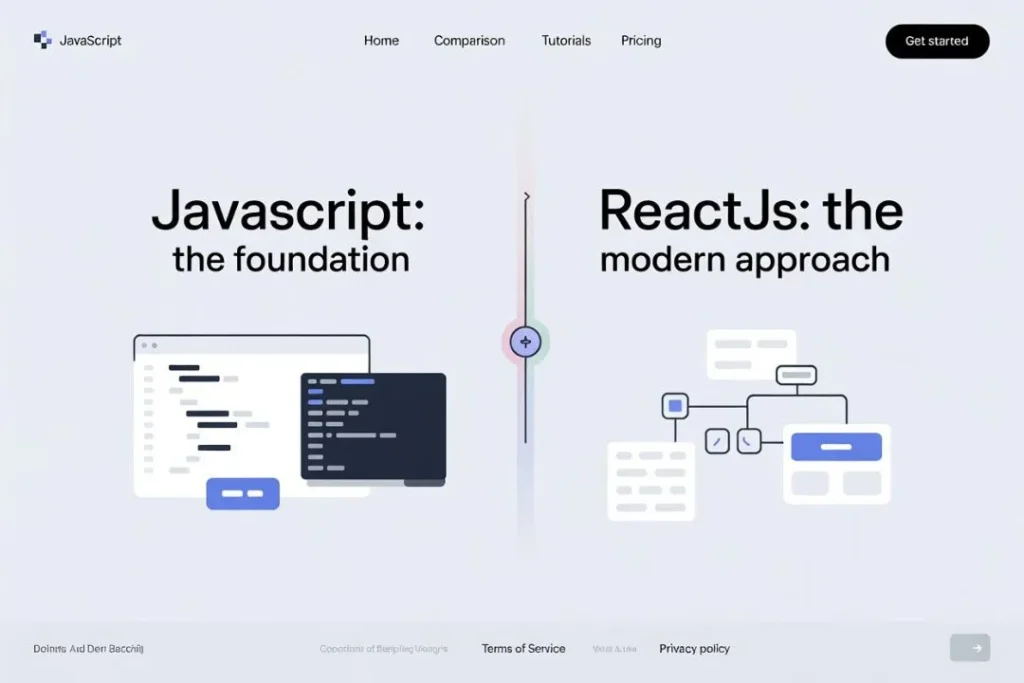
A common beginner question is: JavaScript vs ReactJS — what’s the difference?
- JavaScript is a programming language.
- ReactJS is a JavaScript library used to build UIs more efficiently.
In short, React helps organize and scale JavaScript code better for building dynamic applications. You’ll understand this better as you explore state, props, and hooks.
5. Try Hands-on Exercises with React-Live and Supersimpledev
Practical experience is essential in any React tutorial. Tools like react-live allow you to experiment with React code in real time directly in the browser.
You can also try Supersimpledev exercises text, which are beginner-friendly and great for visual learners. These interactive lessons help you grasp core concepts faster.
6. Building Smart Logic with Interactive Row Reducer
As your React app grows, managing state becomes critical. You might use useReducer() for complex state logic like in an interactive row reducer pattern—ideal for tables, forms, and dynamic lists.
This pattern keeps your code organized and efficient, especially when multiple states depend on one another.
7. Bonus: React Native Markdown Display & Multilingual Learning
Want to go mobile? You can learn how to create apps that support rich content using React Native Markdown display components, allowing formatted content within mobile apps.
For international developers, học React (Vietnamese for “learn React”) and tutorials in multiple languages are available online. Even Java developers can benefit from comparing Java and ReactJS workflows to switch or integrate technologies.
Extra Mentions: Reacte and Other Tools
Some learners may come across tools or typos like Reacte—likely a misspelling of React—but it’s important to always verify what libraries or resources you’re using.
Similarly, in tech quizzes like Quiz: Module 13 Maintaining Windows, you may see how React apps run in various environments, including Windows and Linux systems.
FAQs – React Tutorial
1. What is the main difference between JavaScript and ReactJS?
JavaScript is a general-purpose programming language used to build web functionality, while ReactJS is a library built with JavaScript to simplify the creation of interactive user interfaces. React provides reusable components and efficient DOM rendering.
2. How can I check the React version in my project?
To check React version, you can run npm list react in your terminal or view the dependencies section in your package.json file. This helps ensure compatibility with third-party libraries.
3. What is React-Live and how is it useful?
React-live is a tool that allows you to edit and preview React components in real time directly in your browser. It’s great for interactive tutorials and hands-on learning.
4. What does “mybutton” mean in React tutorials?
MyButton is a commonly used example of a reusable React component. It demonstrates how to define and use custom UI components across multiple parts of an application.
5. Can I rename index.html in a React project using Vite?
Yes, you can vite rename index.html to customize your template or add meta tags, titles, or analytics scripts. Make sure the new file path is correctly referenced in the project configuration.
6. Is React suitable for Java developers?
Absolutely. Many Java and ReactJS developers integrate both technologies—using Java for backend services (Spring Boot, for example) and React for building fast, modern front-end interfaces.
7. What is an interactive row reducer in React?
An interactive row reducer refers to using the useReducer() hook to manage complex state in components like dynamic tables or forms where rows change based on user actions.
8. What does “in the project you clicked the CLI tab” refer to?
This phrase typically appears in setup instructions when using tools like Vite or Create React App. It guides you to select the CLI tab (Command Line Interface) for project configuration or initialization.
9. Where can I find beginner-friendly React exercises?
You can practice with Supersimpledev exercises text, which offers simplified, hands-on tutorials for learning core React concepts in a fun and structured way.
10. Can I display markdown in React Native apps?
Yes, using libraries like react-native-markdown-display, you can render styled markdown content in your React Native applications—perfect for blogs, articles, or documentation.
11. What is the correct spelling—React or Reacte?
The correct spelling is React. Reacte is likely a typo or misreference. Always verify tools and libraries before using them in production code.
12. How can non-English speakers learn React effectively?
There are many localized resources for learning React. For example, học React is a phrase used in Vietnamese tutorials, meaning “learn React.” Many platforms offer translated content and subtitles.
13. What’s the connection between React and system maintenance, like in Quiz: Module 13 Maintaining Windows?
Although React is a front-end library, learning system maintenance (as in Quiz: Module 13 Maintaining Windows) is useful for full-stack developers, especially when deploying or troubleshooting React applications on Windows-based servers.
Conclusion: Start Your React Journey Today
This React tutorial gave you a practical path with real-world tools, hands-on examples, and best practices. Whether you’re debugging components like mybutton, learning through react-live, or testing advanced logic with interactive row reducer, React opens the door to scalable, fast, and modern web apps.
Keep learning, building, and enjoying the joys of React.