Introduction
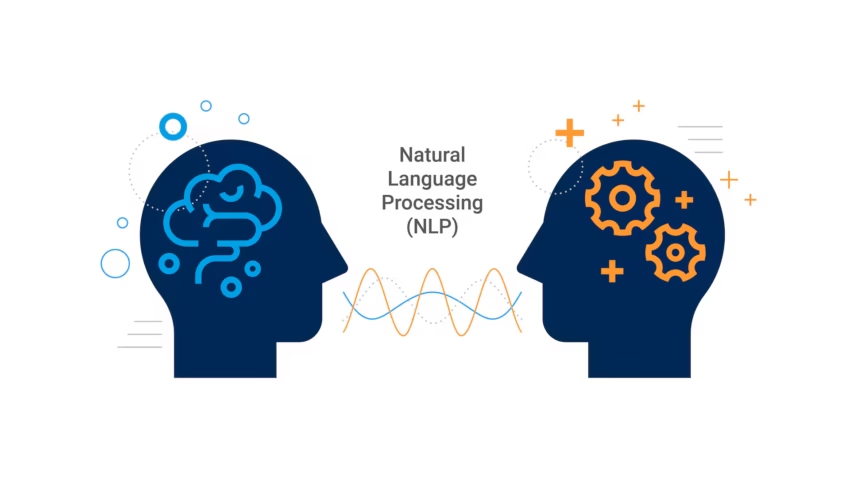
Natural language is the way humans communicate with one another through spoken and written words. It plays an important role in modern technology, especially in artificial intelligence and machine learning. Natural language processing enables computers to understand, interpret, and respond to human communication. Today, it powers chatbots, virtual assistants, translation applications, and AI writing tools. As technology continues to advance, natural language is making digital communication more natural, accessible, and efficient.
1. Understanding Natural Language
Natural language refers to the languages people use in everyday life, including English, Urdu, Spanish, and many others. Unlike programming languages, it develops naturally through human interaction and culture. People use natural language to express their thoughts, emotions, questions, and ideas. Computers can analyze this communication with the help of advanced artificial intelligence systems. This ability helps technology interact with users in a more familiar and understandable way.
2. What Is Natural Language Processing?
Natural language processing (NLP) is a branch of artificial intelligence that helps computers work with human language. It combines computational linguistics, machine learning, and statistical techniques to analyze text and speech. NLP systems can identify words, recognize patterns, and determine the possible meaning of sentences. These capabilities support applications such as automated translation, text summarization, and sentiment analysis. As NLP improves, computers become better at handling everyday communication.
3. How Natural Language Works
Natural language technology processes human communication through several connected steps. A system may begin by breaking a sentence into smaller units, such as words or phrases. It then examines grammar, context, and relationships between different parts of the message. Some advanced models also use surrounding information to interpret the user’s intended meaning. Although these systems can produce useful responses, they may still misunderstand sarcasm, cultural references, or ambiguous expressions.
4. Natural Language and Artificial Intelligence
Natural language is an essential part of many modern AI applications. It allows people to interact with computer systems without learning complicated commands or programming languages. AI models can generate responses, explain concepts, summarize documents, and assist with everyday tasks. These capabilities make digital tools more approachable for students, professionals, and businesses. However, AI-generated information should still be reviewed because fluent language does not always guarantee accuracy.
5. Natural Language in Chatbots
Chatbots use natural language technology to communicate with users through text or voice. They can answer common questions, provide product information, and guide customers through basic processes. Businesses often use chatbots to offer support outside regular working hours. Well-designed systems can recognize common requests and provide relevant information quickly. Nevertheless, complicated problems may require human assistance to ensure users receive accurate and appropriate solutions.
6. Natural Language in Virtual Assistants
Virtual assistants rely on natural language processing to understand requests and respond to users. Examples include tools that help people set reminders, search for information, organize schedules, or control connected devices. Voice-enabled assistants may also use speech recognition to convert spoken words into text. Natural language understanding helps these systems identify the user’s goal and select a suitable action. Their effectiveness depends on language support, context recognition, and the quality of the underlying technology.
7. Natural Language in Education
Natural language technology offers several useful opportunities in education. Students can use AI-powered tools to clarify difficult concepts, improve grammar, and summarize lengthy reading materials. Language learners may practice conversations and receive suggestions for improving their writing. Teachers can also explore these tools to prepare learning activities and adapt explanations to different skill levels. Responsible use remains important because students should develop their own understanding rather than depend entirely on automated answers.
8. Natural Language in Business
Businesses use natural language technology to improve communication and manage information more efficiently. It can help organizations analyze customer feedback, categorize support requests, and prepare written content. Companies may also use NLP systems to search large collections of documents and identify relevant information. These applications can reduce repetitive work and support faster decision-making. Organizations should consider data privacy, accuracy, and human oversight when introducing language-based AI solutions.
9. Natural Language and Machine Translation
Machine translation uses artificial intelligence to convert text or speech from one language into another. Natural language processing helps translation systems recognize sentence structure, word relationships, and contextual meaning. This technology supports international communication, multilingual websites, and language-learning activities. Modern systems can produce more natural translations than simple word-for-word methods. However, idioms, regional expressions, and specialized terminology may still require careful human review.
10. Natural Language in Content Creation
AI writing tools use natural language models to assist with articles, emails, product descriptions, and other written materials. Users can provide instructions in ordinary language and receive drafts tailored to their needs. These tools can also suggest alternative wording, correct grammatical mistakes, and organize ideas. They are particularly useful when someone needs help getting started or improving readability. Original thinking, fact-checking, and personal editing remain important for producing trustworthy content.
11. Challenges of Natural Language Technology
Despite its advantages, natural language technology faces several challenges. Human communication often includes slang, humor, emotion, and expressions that depend on cultural context. AI systems may misinterpret these details or generate information that sounds convincing but is incorrect. Language tools may also perform differently across languages and regional dialects. Developers must continually improve training data, evaluation methods, privacy protections, and fairness to make these systems more dependable.
12. The Future of Natural Language
The future of natural language technology will likely involve more capable and personalized AI communication tools. Improvements in multilingual models may help people interact across language barriers more easily. Voice-based systems could become better at understanding conversational context and responding naturally. Businesses, schools, and healthcare organizations may find additional ways to use language technology for information management and communication. Continued progress will depend on responsible development, transparent practices, and appropriate human supervision.
Conclusion
Natural language connects human communication with the growing capabilities of artificial intelligence. It enables computers to process text, interpret requests, and generate useful responses across many applications. From education and business to translation and virtual assistance, its practical uses continue to expand. Although challenges involving accuracy, privacy, and context remain, ongoing research is improving language-based systems. With responsible implementation, natural language technology can make digital tools easier to use and more helpful in everyday life.
Frequently Asked Questions (FAQs)
1. What is natural language in AI?
Natural language in AI refers to human languages, such as English and Urdu, that computers analyze and process. It allows people to communicate with digital systems using ordinary words instead of specialized commands.
2. What is natural language processing used for?
Natural language processing is used for chatbots, machine translation, voice assistants, sentiment analysis, text summarization, and AI writing applications. It helps computers interpret human language and perform language-related tasks.
3. What are the main benefits of natural language technology?
The main benefits include faster communication, improved accessibility, automated text analysis, multilingual support, and increased productivity. However, users should verify important information because AI systems can misunderstand context or produce inaccurate responses.