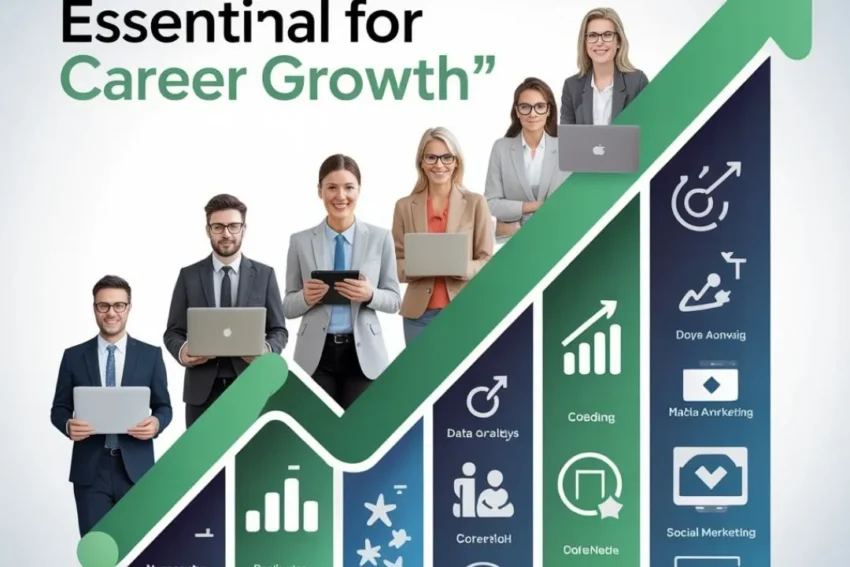
In today’s fast-evolving job market, career growth is no longer driven by traditional qualifications alone. The ability to adapt, learn, and apply digital skills has become a key differentiator for professionals in every field. Whether you are just starting your career or looking to move up the corporate ladder, mastering essential digital skills is critical to staying relevant, competitive, and future-ready.
Understanding the Importance of Digital Skills
So, why do digital skills matter? The answer lies in how workplaces, industries, and customer expectations have transformed. Businesses are increasingly relying on technology for operations, communication, data analysis, marketing, and customer engagement. Employees who are digitally fluent are more capable of navigating these changes, improving productivity, and driving innovation. That’s why digital skills for career advancement are no longer optional—they’re a necessity.
Digital Literacy: The Foundation of Career Readiness
At the heart of every successful professional journey is digital literacy. This includes the ability to effectively use devices, software, and online platforms to communicate, collaborate, and solve problems. From sending emails and attending virtual meetings to creating presentations and managing cloud documents, basic digital skills for work form the foundation of a modern career.
Even in non-technical roles, being digitally literate helps professionals manage their tasks efficiently and interact with teams across different digital environments.
In-Demand Digital Skills That Drive Growth
As industries embrace digital transformation, there is growing demand for specific skill sets. Some of the most in-demand digital skills include:
- Data analytics skills: Understanding data, drawing insights, and making informed decisions.
- Cloud computing skills: Managing data and services via platforms like AWS, Azure, or Google Cloud.
- Cybersecurity skills: Protecting systems from threats and ensuring data privacy.
- SEO skills for career: Optimizing content for search engines to improve visibility.
- Digital marketing skills: Building strategies to engage and convert customers online.
- Coding skills for professionals: Developing websites, automating tasks, and building applications.
- AI and ML skills: Using artificial intelligence and machine learning to enhance services and systems.
- UX UI design skills: Designing intuitive, user-focused digital interfaces.
Professionals equipped with these capabilities are better prepared for the modern workforce and often see faster career progression.
Digital Skill Development and Upskilling
The good news? You don’t need a tech degree to build these skills. With the rise of online learning platforms, digital skill development is now more accessible than ever. Anyone can learn from tutorials, enroll in courses, and practice new tools at their own pace.
Digital upskilling refers to the continuous improvement of one’s digital knowledge. It’s a mindset that every professional should adopt. Whether you’re learning advanced Excel functions, exploring automation tools, or experimenting with social media strategies, every new skill enhances your value in the job market.
Essential Digital Career Skills Across Industries
It’s not just tech professionals who need to be digitally skilled. Every industry—from healthcare to finance to education—relies on digital career skills. Some of the core digital workplace skills that apply across sectors include:
- Digital communication skills: Using platforms like Slack, Teams, or Zoom effectively.
- Project management digital tools: Managing tasks using Trello, Asana, or Monday.com.
- Excel and data skills: Creating reports, analyzing data, and making projections.
- Remote work digital skills: Managing time, productivity, and collaboration while working online.
- Cybersecurity awareness: Recognizing threats and applying safe digital practices.
These skills not only make you more efficient but also increase your chances of landing leadership roles or freelance opportunities.
Digital Skills for Professionals: Stand Out and Stay Relevant
In the current job landscape, standing out requires more than just experience. Employers are actively looking for individuals with digital skills for professionals—those who can bring creativity, innovation, and tech-savvy solutions to the table.
For instance, someone with social media marketing skills can help a brand grow its online presence. A professional with software development career skills can automate processes, saving the company time and money. Similarly, someone well-versed in UX UI design skills can improve customer satisfaction through better digital products.
Being multi-skilled allows you to contribute in more ways, making you an asset to any organization.
The Role of Digital Competency in Career Advancement
Digital competency goes beyond just knowing how to use tools—it involves the ability to apply technology strategically. Whether it’s choosing the right software, solving problems using digital platforms, or interpreting digital trends, competency drives smarter decision-making.
When professionals demonstrate digital confidence and capability, they are often chosen for promotions, leadership roles, or high-impact projects. This is where digital skills importance truly shows up—opening doors that may have remained closed otherwise.
A Future-Proof Career Starts with the Right Skills
The job market is evolving, and automation is replacing many traditional roles. However, jobs requiring emotional intelligence, creativity, and complex problem-solving—especially when combined with digital fluency—are on the rise.

Building your digital competency today ensures that you are ready for tomorrow’s challenges. It’s not just about having a job, but about thriving in your career and adapting as industries change.
Conclusion: Invest in Your Digital Self
To summarize, digital skills are no longer an add-on—they are the core of professional success. Whether you’re aiming for a promotion, shifting careers, or launching a business, mastering essential digital skills will pave your way forward.
Start with the basics, focus on digital skill development, stay curious, and always seek opportunities for digital upskilling. The more you invest in your digital workplace skills, the more confident, capable, and future-ready you become.
Remember: the question is no longer why digital skills matter, but rather how quickly you can acquire them. Your career growth depends on it.