Introduction
Speech recognition is a modern technology that allows computers and digital devices to understand spoken words. It converts human speech into text or commands that machines can process. This technology has become an important part of everyday life, from mobile phone assistants to automated customer service systems. It helps people interact with technology in a faster and more convenient way. As technology continues to develop, speech recognition is becoming more accurate, useful, and accessible.
1. What Is Speech Recognition?
Speech recognition is a technology that enables computers to identify and interpret spoken language. It analyzes sounds produced by a speaker and converts them into meaningful words or instructions. This process allows users to communicate with devices without typing on a keyboard. For example, a person can dictate a message, search for information, or open an application by speaking. Speech recognition systems use specialized software and language models to understand what people say. Their main purpose is to make communication between humans and machines easier.
2. How Does Speech Recognition Work?
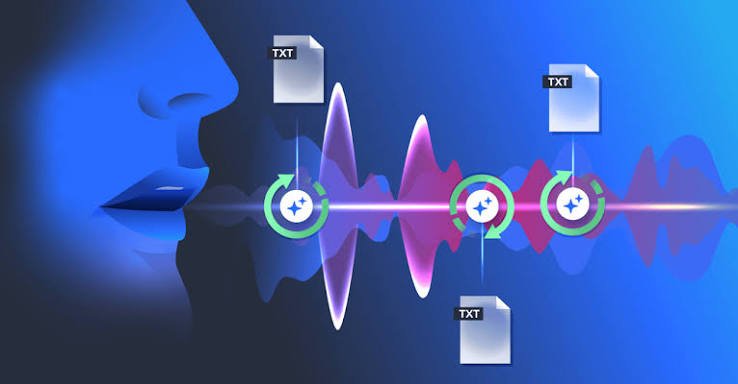
Speech recognition works through several connected steps that help a computer process spoken language. First, a microphone captures the speaker’s voice and converts sound waves into digital data. The system then analyzes the audio to identify different speech patterns and sound units. These patterns are compared with information learned during training. Advanced systems use artificial intelligence and machine learning to recognize words more accurately. The software considers language structure and context to determine the most likely sentence. Finally, the recognized speech is converted into text or used to perform a requested action.
3. Importance of Speech Recognition
Speech recognition has become important because it provides a convenient way to interact with digital technology. People can perform many tasks by speaking instead of entering information manually. This can save time and improve productivity in homes, offices, schools, and other environments. It is particularly helpful when typing is difficult or when users need hands-free access to a device. Businesses can also use this technology to manage calls and process spoken information. By reducing some communication barriers, speech recognition makes digital services more accessible to a wider range of people.
4. Applications of Speech Recognition
Speech recognition is used in many industries and everyday activities. Smartphones use it for voice searches, reminders, messaging, and virtual assistants. Hospitals may use speech-to-text systems to help healthcare professionals prepare notes and documentation. Educational platforms can provide captions or convert spoken lessons into written material. In offices, employees can dictate reports, emails, and meeting notes. Customer support services may use voice recognition systems to direct callers to the appropriate department. These applications demonstrate how speech recognition can simplify tasks and support more efficient communication.
5. Speech Recognition in Artificial Intelligence
Artificial intelligence plays a major role in modern speech recognition systems. AI-based models can learn from large collections of recorded speech and written language. This training helps them recognize different words, accents, and speaking styles. Some advanced systems also use contextual information to distinguish between words that sound similar. As these systems improve, they can handle more natural conversations and complex instructions. However, their performance still depends on training quality, audio clarity, and language coverage. Combining speech recognition with AI continues to expand the possibilities of voice-based technology.
6. Benefits of Speech Recognition
One of the main benefits of speech recognition is that it allows users to complete tasks without relying entirely on manual typing. It can increase efficiency when creating documents, searching for information, or entering notes. The technology can also support people who have limited mobility or difficulty using traditional input devices. In suitable environments, voice commands make digital tools easier to operate while a person’s hands are occupied. Businesses may benefit from faster documentation and improved customer interactions. Although the results vary by application, speech recognition can make many routine activities more convenient.
7. Speech Recognition in Education
Speech recognition offers useful opportunities for students, teachers, and educational institutions. Students can dictate assignments and use speech-to-text tools to organize their ideas. Teachers may use transcription software to prepare lesson notes or generate written records of discussions. Captions can help learners follow spoken content in videos and online classes. Language learners may also practice pronunciation with applications that provide speech-related feedback. These tools can support different learning needs and study preferences. However, students should review automatically generated text because recognition errors may affect the accuracy of their work.
8. Speech Recognition in Healthcare
Healthcare organizations can use speech recognition to make certain administrative tasks more efficient. Medical professionals may dictate clinical notes, patient histories, and other documentation instead of typing every word. Transcription systems can help convert spoken information into searchable text for review. Some accessibility tools also allow patients to interact with digital services through voice commands. Nevertheless, medical information requires a high level of accuracy and confidentiality. Recognized text must be checked carefully, particularly when it includes medication names, diagnoses, or treatment instructions. Speech recognition can support healthcare workers, but it should not replace professional judgment or appropriate verification.
9. Challenges of Speech Recognition
Despite its advantages, speech recognition faces several technical challenges. Background noise can make it difficult for a system to identify spoken words correctly. Different accents, speech speeds, and pronunciation styles may also affect performance. Some systems struggle with uncommon names, specialized vocabulary, or languages with limited training data. Similar-sounding words can create errors when the surrounding sentence is unclear. Privacy is another concern because voice recordings may contain sensitive personal information. Developers continue to improve recognition models, but users should understand that these systems are not always completely accurate.
10. Speech Recognition and Voice Assistants
Voice assistants are among the most familiar examples of speech recognition technology. They allow users to ask questions, set alarms, play music, check information, and control compatible devices. When a person gives a voice command, the system processes the request and determines what action may be needed. Some assistants also use natural language processing to interpret the meaning behind spoken instructions. Their usefulness depends on how well they recognize speech and understand the user’s intention. These tools can make everyday tasks more convenient, although they may misunderstand commands in noisy surroundings or unfamiliar speaking styles.
11. Speech Recognition and Accessibility
Speech recognition can make digital technology easier to use for people with different accessibility needs. Individuals who find typing challenging may use voice input to write messages, search websites, or control compatible software. Live transcription can help people follow conversations, presentations, and recorded content. Voice commands may also reduce the need for repeated physical interaction with a device. These features can support greater independence in education, employment, and daily life. However, accessibility tools should offer alternatives for users whose speech is not recognized reliably. Inclusive design is essential to ensure that the benefits reach people with diverse communication needs.
12. The Future of Speech Recognition
The future of speech recognition is likely to involve more natural, responsive, and context-aware interactions. Improvements in artificial intelligence may help systems understand conversational speech and handle a broader range of accents and languages. Real-time transcription and multilingual communication tools may also become more useful in workplaces and educational settings. Researchers are working to reduce recognition errors and improve performance in noisy environments. At the same time, developers must address privacy, data security, and responsible use. Continued progress could make speech recognition an even more valuable part of everyday digital experiences.
Conclusion
Speech recognition has changed how people communicate with computers and digital devices. It offers practical benefits in education, healthcare, business, accessibility, and daily activities. Although challenges such as background noise, language differences, and privacy remain, technological improvements continue to make these systems more capable. Users should still check important information produced by automated speech tools. With responsible development and thoughtful use, speech recognition can support more convenient, efficient, and inclusive communication.
Frequently Asked Questions (FAQs)
1. What is speech recognition used for?
Speech recognition is used to convert spoken language into text or commands. Common examples include voice assistants, dictation software, automatic captions, voice searches, and customer service systems.
2. What are the main benefits of speech recognition?
The main benefits include faster text entry, hands-free interaction, improved accessibility, and more convenient communication with digital devices. Its effectiveness depends on the system and the conditions in which it is used.
3. What are the common challenges of speech recognition?
Common challenges include background noise, different accents, unclear pronunciation, specialized vocabulary, and privacy concerns. Some systems may also struggle with less widely supported languages or complex speech patterns.