Introduction
Facial recognition is a modern technology that identifies or verifies a person by analyzing their facial features. It uses artificial intelligence (AI) and computer vision to recognize unique patterns in a human face. Today, this technology is used in smartphones, security systems, airports, offices, and many other places. It helps make identity verification faster and more convenient. However, facial recognition also raises important questions about privacy, accuracy, and the responsible use of personal information.
1. What Is Facial Recognition?
Facial recognition is a biometric technology that uses a person’s facial characteristics to establish or verify their identity. It examines features such as the distance between the eyes, the shape of the nose, and the structure of the jaw. The system converts these characteristics into a digital representation and compares it with stored facial data. If the comparison meets the system’s matching criteria, it may identify the person or confirm their identity. This process can be completed within seconds, depending on the system and conditions.
2. How Does Facial Recognition Work?
Facial recognition generally works through a series of steps that allow a computer to analyze and compare faces. First, a camera captures an image or video containing a face. Next, the software detects the face and examines important facial features. Artificial intelligence algorithms then create a mathematical representation of those features. The system compares this representation with information stored in a database or with a previously registered face. Finally, it produces a matching result or an identity verification decision based on its confidence threshold.
3. Importance of Facial Recognition Technology
Facial recognition has become increasingly important because many organizations need fast and reliable ways to verify identities. Traditional methods, such as passwords, identity cards, and PIN codes, can be forgotten, lost, or stolen. Facial recognition offers another option by using biometric information to support identity checks. It can also reduce waiting times in places where large numbers of people require verification. When implemented carefully, this technology can improve convenience, strengthen certain security processes, and support more efficient digital services.
4. Applications of Facial Recognition in Daily Life
Facial recognition is widely used in everyday activities, particularly in digital devices and security systems. Many smartphones allow users to unlock their devices by scanning their faces. Some banking applications use facial verification to help confirm a customer’s identity during sensitive transactions. Airports may use the technology to support passenger processing, while offices can use it for access control and attendance management. Retail businesses may also explore facial analysis for operational purposes, although identifying customers without their knowledge can create serious privacy concerns.
5. Facial Recognition in Security and Surveillance
Security is one of the most common areas where facial recognition technology is applied. Authorized organizations may use it to verify people entering restricted buildings or to assist investigations involving recorded images. In public spaces, some surveillance systems use facial recognition to compare detected faces against specific watchlists. This can help authorities investigate certain security incidents, but it must be used with appropriate safeguards. Poor-quality images, inaccurate matches, and excessive monitoring can cause harm, so human review and clear legal rules are essential.
6. Benefits of Facial Recognition
One major benefit of facial recognition is convenience because users may verify their identities without entering passwords or carrying additional identification documents. The technology can also speed up access control and reduce some manual verification tasks. In suitable conditions, it can support fraud prevention and help organizations manage identity-related processes. Another advantage is that it can operate with minimal physical contact, which is useful in busy environments. Nevertheless, its effectiveness depends on the quality of the system, the circumstances of use, and the security measures protecting the collected data.
7. Role of Artificial Intelligence in Facial Recognition
Artificial intelligence plays a central role in modern facial recognition systems. Machine learning models are trained to identify patterns in facial images and distinguish relevant characteristics. Deep learning techniques can help systems recognize faces under different lighting conditions, facial expressions, and viewing angles. These capabilities have improved the performance of many recognition applications. However, AI systems learn from training data, and limitations in that data can affect their results. Regular testing, representative datasets, and independent evaluations are important for improving accuracy and reducing unfair outcomes.
8. Facial Recognition and Personal Privacy
Privacy is one of the most significant concerns associated with facial recognition. Unlike a password, a person’s face cannot easily be replaced if its biometric information is exposed. Collecting facial images without meaningful consent may make people feel constantly monitored. Organizations that use this technology should explain why the information is needed, how long it will be stored, and who can access it. Strong encryption, limited data collection, and clear deletion policies can reduce certain risks. Respecting privacy is essential for maintaining public trust and preventing misuse.
9. Accuracy and Reliability of Facial Recognition
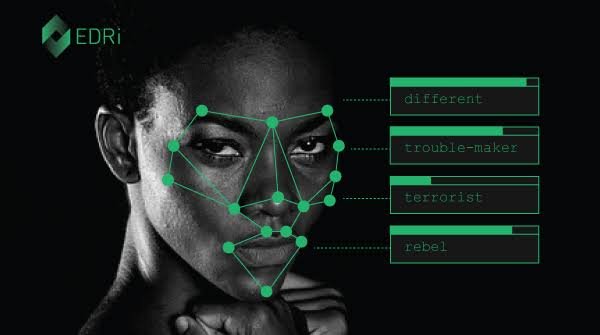
The accuracy of facial recognition systems depends on several factors, including camera quality, lighting, image resolution, and algorithm design. Facial changes caused by aging, facial hair, accessories, or changes in appearance may also affect matching results. Some systems have demonstrated different error rates across demographic groups, making careful evaluation especially important. A false match can lead to unnecessary suspicion or denial of access, while a missed match can reduce security effectiveness. For this reason, facial recognition should not always be treated as conclusive proof of someone’s identity.
10. Ethical Concerns Related to Facial Recognition
Ethical concerns arise when facial recognition is used without transparency, consent, or appropriate oversight. Continuous monitoring can affect freedom of expression and discourage people from participating in public activities. There are also concerns about discrimination when a system performs less accurately for particular groups. Businesses and government agencies should consider whether facial recognition is genuinely necessary for their intended purpose. They should establish clear accountability procedures and provide ways to challenge incorrect decisions. Ethical use requires balancing technological benefits with individual rights and social responsibilities.
11. Future of Facial Recognition Technology
The future of facial recognition will likely involve continued improvements in artificial intelligence, biometric security, and real-time image processing. New systems may become better at recognizing faces under challenging conditions and detecting attempts to deceive verification systems with photographs or masks. Integration with digital identity platforms could make some services more convenient. At the same time, stronger privacy laws, security standards, and independent assessments will remain important. Future progress should focus not only on improving recognition performance but also on ensuring that the technology is transparent, secure, fair, and accountable.
12. Responsible Use of Facial Recognition
Responsible facial recognition requires organizations to establish clear policies before collecting or processing facial data. They should use the technology only for legitimate purposes and collect no more information than necessary. Access to biometric databases must be restricted, and security measures should protect against unauthorized use or data breaches. Organizations should also evaluate accuracy, monitor performance, and provide human review when recognition results affect important decisions. By following applicable laws and respecting individual rights, businesses and public institutions can reduce risks while making appropriate use of facial recognition technology.
Conclusion
Facial recognition is an important technological development that is changing how people verify their identities and access digital and physical services. It offers benefits such as convenience, faster identity checks, and support for certain security operations. However, privacy concerns, inaccurate results, data security risks, and ethical challenges must not be ignored. Its success depends on responsible implementation, transparent policies, and appropriate human oversight. By balancing innovation with fairness and personal privacy, society can make more informed decisions about how facial recognition should be used.
Frequently Asked Questions (FAQs)
1. What is facial recognition used for?
Facial recognition is used for smartphone unlocking, identity verification, access control, airport processing, and certain security applications. Its specific uses depend on the system, applicable laws, and the organization’s policies.
2. Is facial recognition technology safe?
Facial recognition can be useful, but its safety depends on how it is designed and managed. Strong data protection, secure storage, accurate testing, and appropriate consent procedures can reduce risks to users.
3. What are the main disadvantages of facial recognition?
The main disadvantages include privacy concerns, possible data breaches, inaccurate identification, demographic performance differences, and the potential for excessive surveillance. Responsible use and effective oversight can help address these problems.